When to Use Sixties Groove: A Bold, Retro Display Font
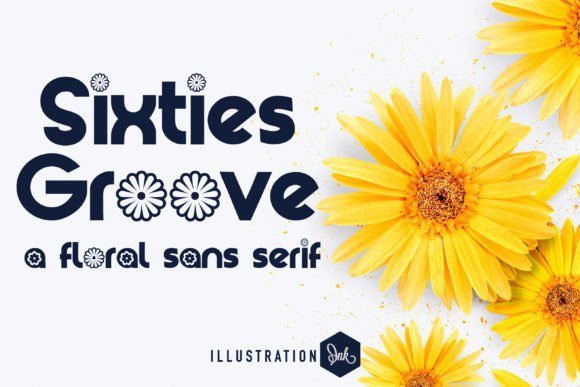
Sixties Groove is a retro-inspired sans serif display font that captures the bold and vibrant spirit of 1960s design. With its distinctive character shapes, playful curves, and strong visual presence, it stands out as a go-to choice for creative projects seeking a nostalgic yet modern aesthetic. While it may not be suitable for all contexts, understanding its strengths and limitations can help you determine if it aligns with your design goals.
What Is Sixties Groove?
Sixties Groove belongs to the category of display fonts, meaning it's designed to make an impact at larger sizes rather than for long-form readability. It draws from the typographic trends of the 1960s—think pop art, psychedelic posters, and mid-century branding—while maintaining a clean, contemporary structure. The font’s lack of serifs and exaggerated proportions give it a dynamic feel, ideal for headlines, logos, or any project where style takes precedence over subtlety.
Key Characteristics
- Bold weight: Its thick strokes ensure visibility even from a distance.
- Retro flair: Inspired by vintage signage and counterculture movements, it evokes nostalgia without feeling outdated.
- High contrast: The difference between thick and thin lines adds visual interest.
- Playful curves: Rounded edges and unique letterforms contribute to a sense of fun and energy.
Why People Choose Sixties Groove
Designers and creatives often turn to Sixties Groove when they want to evoke a specific era or mood. The font is particularly popular in industries like music, fashion, and entertainment, where visual identity plays a crucial role. Here are some reasons people might consider using it:
- Nostalgic branding: For businesses or campaigns targeting audiences who grew up during the 1960s, this font can instantly connect with their memories and preferences.
- Attention-grabbing headlines: Its bold nature makes it excellent for titles and promotional text that need to stand out on posters, websites, or social media.
- Unique personality: In a sea of minimalist typefaces, Sixties Groove offers a distinct voice, making it memorable and expressive.
- Creative versatility: Whether used for album covers, event banners, or packaging, the font adapts well to various artistic styles while maintaining its signature groove.
Benefits of Using Sixties Groove
Choosing Sixties Groove brings several advantages, especially when used appropriately:
- Strong visual appeal: The font’s retro vibe gives designs a timeless charm, helping them stand out in competitive markets.
- Emotional resonance: For projects aiming to evoke a sense of nostalgia, rebellion, or optimism, Sixties Groove can be a powerful tool.
- Compatibility with color: Its high contrast and solid forms work well with bright, saturated colors typical of the era it represents.
- Easy to pair: When used with more neutral typefaces for body text, it can create a balanced yet striking typographic hierarchy.
Potential Tradeoffs and Considerations
While Sixties Groove has many strengths, it’s important to weigh these against potential drawbacks before committing to it for a project:
- Limited legibility at small sizes: As a display font, it isn’t optimized for reading large blocks of text. Avoid using it for body copy or captions unless stylized presentation is key.
- May clash with modern aesthetics: If your design leans heavily into minimalism or sleek contemporary visuals, the font could feel out of place.
- Overuse risks: Like any bold typeface, excessive use of Sixties Groove can overwhelm the viewer and reduce the effectiveness of your message.
- Specific audience appeal: Its retro style may resonate more with older demographics or niche communities than with younger, more diverse audiences.
When Sixties Groove Fits Best
Sixties Groove excels in situations where its boldness and retro character enhance the overall message or brand identity. Some of the most fitting applications include:
- Music and entertainment: Concert posters, album art, or festival branding benefit from the font’s energetic appearance.
- Fashion and lifestyle: Vintage-inspired clothing lines, boutique names, or wellness brands can use it to reinforce their aesthetic.
- Marketing and promotions: Limited-time offers, event announcements, or product launches can gain attention through its eye-catching style.
- Digital content: Social media posts, YouTube thumbnails, or online banners often require a quick visual hook—Sixties Groove delivers just that.
- Printed materials: Flyers, t-shirts, or posters where a retro vibe is essential will look authentic and compelling with this font.
When to Consider Alternatives
Despite its strengths, Sixties Groove isn't always the best option. If your project requires a more versatile or universally readable font, alternatives may be better suited. Here are scenarios where other fonts could serve your needs more effectively:
- Long-form content: Websites, e-books, or magazines that rely on extended reading should opt for fonts with better legibility and spacing.
- Formal or professional settings: Corporate reports, legal documents, or academic papers demand fonts that convey professionalism and clarity.
- International audiences: If your project involves multiple languages or non-Latin characters, verify that Sixties Groove supports the necessary glyphs.
- Accessibility concerns: Users with visual impairments may struggle to read highly stylized fonts, so accessibility-friendly options should be prioritized in such cases.
Practical Tips for Using Sixties Groove
If you decide to incorporate Sixties Groove into your work, here are some practical insights to maximize its effectiveness:
- Use it sparingly: Apply it only to headlines, logos, or call-to-action elements. Let it shine without overshadowing the rest of your design.
- Pair with simplicity: Complement it with a clean, neutral font for body text to maintain readability and balance.
- Test different weights: If available, experiment with variations of the font to see which one best suits your layout and purpose.
- Consider background contrast: Since the font is bold, ensure there's enough contrast between the text and its background to avoid blending or distortion.
- Evaluate cultural relevance: Make sure the font aligns with the tone and intent of your project, especially if you're trying to communicate something serious or sophisticated.
Final Thoughts
Sixties Groove is a standout choice for designers looking to inject a touch of retro charm into their work. Its bold, expressive style can elevate creative projects and capture attention in ways that standard fonts cannot. However, it’s crucial to evaluate how well it fits your specific needs. Ask yourself whether the font enhances your message or distracts from it, and whether it meets the expectations of your audience.
By considering factors like legibility, context, and typographic harmony, you can make an informed decision about whether Sixties Groove is the right fit. Remember, the goal of typography is not just to look good—it’s to support the communication of your ideas clearly and effectively.