Daisyfoot: A Bold Display Font That Brings a Touch of Nature to Your Designs
Fonts are more than just letters on a page—they’re the heartbeat of your design. They set the tone, reflect personality, and can even make or break how your message is received. If you're looking for something that stands out while still feeling fresh and modern, Daisyfoot could be the perfect fit.
What Is Daisyfoot?
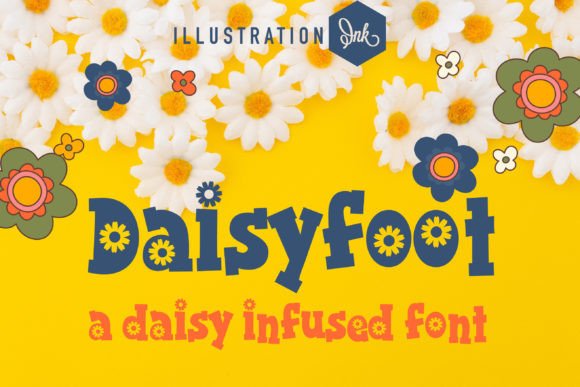
Daisyfoot is a bold serif display font with a unique twist—daisy silhouettes subtly integrated into its design. It combines the strength and elegance of traditional serifs with a contemporary flair, making it both eye-catching and versatile. The playful yet professional aesthetic makes it ideal for designs where you want to add character without compromising readability.
This font isn’t just about style; it’s also about purpose. Whether you’re designing a poster, branding materials, or digital content, Daisyfoot helps you communicate your message in a way that feels intentional and creative.
When and Where to Use Daisyfoot
Display fonts like Daisyfoot shine when used for headlines, logos, and other focal points rather than long blocks of text. Its bold nature ensures it commands attention, while the daisy motifs add a subtle layer of charm and warmth.
- Branding: Startups and small businesses often need a font that's memorable but not too quirky. Daisyfoot offers a balance—its bold presence can anchor a brand identity, especially if the theme is related to nature, wellness, or creativity.
- Print Design: Think event posters, invitations, or packaging. Daisyfoot works particularly well for botanical-themed products or anything where you want to evoke a sense of growth, freshness, or simplicity.
- Web and Digital Media: While primarily a display font, Daisyfoot can enhance landing pages, app interfaces, or website headers. Just pair it carefully with a clean body font to maintain usability.
- Personal Projects: Bloggers, hobbyists, and educators can use it to create engaging infographics, social media posts, or educational materials with visual appeal.
Real-World Scenarios Where Daisyfoot Works Well
Let’s imagine a few real-life situations where Daisyfoot might come in handy:
- Launching a new eco-friendly product line. You want your branding to feel natural and approachable. Daisyfoot brings that vibe with its subtle floral elements, helping your audience connect emotionally with your message.
- Designing a wedding invitation with a garden theme. Daisyfoot adds a touch of whimsy and sophistication. It doesn’t scream “fancy,” but it definitely says “thoughtful.”
- Creating a motivational quote graphic for Instagram. With Daisyfoot, you can make the quote pop visually while maintaining a friendly and inspiring tone.
- Starting a children’s book with a gentle, imaginative feel. This font can help establish a warm and inviting atmosphere right from the cover.
Who Can Benefit from Using Daisyfoot?
Different users have different needs, and Daisyfoot adapts well to a variety of roles:
For Creators and Freelancers
If you’re a designer working on client projects, Daisyfoot gives you another tool in your arsenal. It’s great for clients who want their work to stand out but don’t want to go overboard with novelty fonts. The boldness speaks volume, and the floral details hint at creativity and care.
Freelancers in niches like illustration, web design, or print media will find Daisyfoot useful for creating cohesive visuals that align with organic or minimalist aesthetics.
For Entrepreneurs and Small Business Owners
Entrepreneurs often wear many hats, including marketer, designer, and brand strategist. Daisyfoot supports this multi-tasking by offering a strong typographic presence suitable for logos, packaging, or promotional materials. For example, a boutique selling handmade candles could use Daisyfoot in their logo to suggest both quality and a connection to nature.
The font’s versatility means it can evolve as your brand does. Start with a simple tagline today, and later incorporate it into more complex layouts as your business grows.
For Marketers and Bloggers
Marketers always look for ways to grab attention quickly. In email campaigns, social media posts, or ad banners, Daisyfoot can serve as a headline that draws the eye and conveys energy. Bloggers might use it in blog titles or section headers to give their content a distinctive edge.
It’s especially effective when paired with muted backgrounds or soft color palettes, allowing the font to become the hero of the composition without overwhelming the reader.
For Educators and Publishers
Educators crafting interactive learning materials or publishers designing magazines for lifestyle, gardening, or craft topics can benefit from Daisyfoot’s expressive yet readable structure. Used sparingly, it can highlight key concepts, chapter titles, or headings without distracting from the educational content.
Its boldness also makes it suitable for signage in classrooms or community centers, where clarity and impact are essential.
How to Choose and Use Daisyfoot Effectively
Before downloading Daisyfoot, consider a few practical factors to ensure it fits your project:
- Brand Personality: Does your brand lean toward bold and artistic, or minimal and modern? Daisyfoot suits the former better, though it can adapt depending on context.
- Project Type: Will you be using it for print, web, or multimedia? Always test how it looks across devices and in different sizes to avoid legibility issues.
- Color Contrast: Because of its bold weight, Daisyfoot pairs well with light-colored text on dark backgrounds or vice versa. Make sure there’s enough contrast to keep it clear and impactful.
- Complementary Fonts: Pair Daisyfoot with a sans-serif or lightweight serif for body text. This creates a visual hierarchy and maintains user-friendly reading experiences.
Things to Avoid When Using Daisyfoot
While Daisyfoot is a powerful tool, it’s important to know when not to use it. Avoid applying it to lengthy paragraphs or technical documents where clarity and consistency are key. Also, steer clear of using it in contexts where it may clash with the overall mood—like formal legal notices or high-tech product specs.
Another thing to note is that Daisyfoot works best when given breathing room. Overloading a design with too much text in this font can lead to visual clutter. Keep it reserved for highlights, logos, and calls to action.
Practical Tips for Getting Started
If you’re considering adding Daisyfoot to your toolkit, here are some steps to get you started:
- Look up free or paid versions of Daisyfoot online. Check licensing to ensure it fits your intended use (commercial, personal, etc.).
- Download and install the font on your device or design software. Test it out with sample text to see how it looks in practice.
- Experiment with spacing and alignment. Display fonts often require tweaking to look balanced in design compositions.
- Use it in mock-ups before finalizing any project. See how it interacts with images, colors, and other design elements.
Once you’ve got a handle on how it behaves, start incorporating it into your workflow. The more you experiment, the better you’ll understand when and how to use it effectively.
Why Daisyfoot Stands Out in the Crowd
In a world where thousands of fonts compete for attention, Daisyfoot has a distinct advantage: it’s bold, beautiful, and uniquely expressive. Unlike generic sans-serif or overly decorative scripts, Daisyfoot blends tradition with a modern sensibility, making it versatile enough for various industries and styles.
Its standout feature—the daisy silhouettes—isn’t just for show. These elements create a subtle narrative, suggesting themes of growth, renewal, and creativity. This can be especially powerful for brands or projects aiming to evoke those emotions naturally.
Examples of Daisyfoot in Action
Imagine a yoga studio rebranding. Their new logo uses Daisyfoot in a large size with a soft green background. The font immediately communicates peace, movement, and a connection to nature—all without needing an image or icon.
Or picture a local bakery using Daisyfoot for their storefront sign. Paired with a rustic wood texture and warm pastel colors, the font enhances the welcoming, home-made feel of the space.
Even digital platforms can benefit. A meditation app might use Daisyfoot for onboarding screens or feature names, giving users a sense of calm and focus from the first glance.
Final Thoughts on Choosing the Right Font for the Job
Fonts are choices that speak volumes. Daisyfoot isn’t just another pretty face—it’s a functional and expressive tool that can elevate your design work. Whether you're a seasoned designer or just starting out, having a font like Daisyfoot in your collection can open up new creative possibilities.
But remember, no font is a one-size-fits-all solution. Take time to evaluate how Daisyfoot fits your specific goals and audiences. Try it out in real-world applications, observe how people respond, and adjust accordingly.
So next time you're brainstorming a design and need something that’s both bold and refreshing, consider Daisyfoot. It might just be the missing piece that turns your project from good to unforgettable.