Overlap Font: A Unique Display Font for Stunning Typography
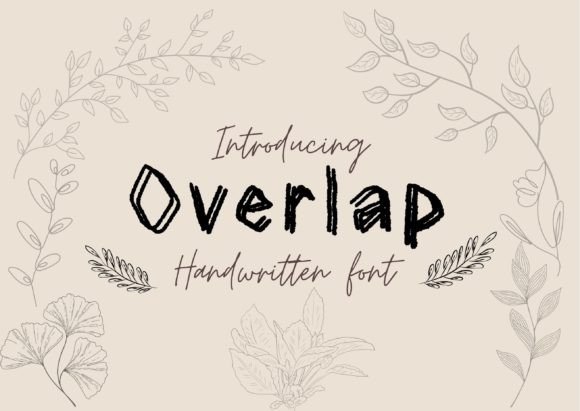
In the world of typography, choosing the right font can make all the difference in how a message is perceived. Whether you're designing a website, printing promotional materials, or creating custom merchandise, fonts play a crucial role in capturing attention and conveying personality. One such font that has been gaining popularity among designers and creative professionals is Overlap. This unique display font features characters that appear hand-carved, offering a distinctive visual appeal perfect for informal yet stylish text and quotes.
What Makes Overlap a Standout Display Font?
Display fonts are designed to stand out rather than be used for large blocks of text. They are often employed in headlines, logos, posters, and other design elements where visual impact is key. Overlap fits this category perfectly with its bold, artistic structure. The name itself hints at the font's defining characteristic — overlapping strokes that give each character a textured, layered look reminiscent of stone carvings or weathered wood.
This font isn’t just about aesthetics; it also communicates a sense of authenticity and craftsmanship. Its irregularities and organic feel make it ideal for designs that aim to evoke emotion, nostalgia, or creativity. Unlike generic sans-serif or serif fonts, Overlap adds a personal touch, making it a favorite for branding and product customization.
The Artistry Behind Overlap
Typographically speaking, Overlap is classified as a display typeface, which means it’s optimized for short texts and visual prominence rather than readability in long passages. Each letterform is meticulously crafted to resemble something handmade, breaking away from the clean, uniform lines typical of many digital fonts. This gives the font an almost artisanal quality that sets it apart in a sea of standard typography options.
- Hand-Carved Aesthetic: The overlapping nature of the strokes gives the impression of depth and texture, mimicking the imperfections found in real-world carving techniques.
- High Contrast: With strong contrast between thick and thin strokes, Overlap creates a dramatic effect that commands attention.
- Versatile Application: Despite its ornate style, the font remains legible enough to work well on products like mugs, shirts, and signage when used appropriately.
Why Use Overlap in Modern Design?
In today’s fast-paced digital environment, standing out is more important than ever. Businesses and individuals alike are constantly seeking ways to create memorable visuals that resonate with their audience. Overlap offers a compelling solution by providing a font that feels both modern and timeless. It bridges the gap between traditional craftsmanship and contemporary design trends, making it versatile across industries and applications.
Brand Identity and Visual Storytelling
Fonts contribute significantly to brand identity. For businesses aiming to convey a rugged, earthy, or vintage vibe, Overlap can serve as a powerful tool. Its handcrafted appearance aligns well with brands that emphasize authenticity, sustainability, or artisanal production. Think of a boutique coffee shop using Overlap on their logo — it instantly evokes the image of a cozy, hand-made experience.
Custom Merchandise and Print Products
When it comes to customizing products such as t-shirts, mugs, or phone cases, the right font can elevate the overall design. Overlap works particularly well in these scenarios because it looks visually rich even at smaller sizes. Its layered strokes add dimension without overwhelming the viewer, making it suitable for both minimalist and maximalist styles.
- It adds a unique flair to otherwise simple designs.
- Its boldness makes it ideal for short phrases and quotes.
- It complements imagery with a tactile, organic feel.
Where Can You Use Overlap Effectively?
While Overlap is not recommended for body text due to its complexity, it shines in various other contexts. Here are some common use cases:
- Logos and Branding: Ideal for small businesses, cafes, and creative studios wanting to highlight a personal or rustic brand image.
- Product Packaging: Works well on labels, boxes, or tags for products that emphasize natural ingredients or handmade qualities.
- Quotes and Captions: Perfect for social media posts, greeting cards, or motivational printables where visual appeal enhances the message.
- Event Invitations and Posters: Adds a dramatic touch to announcements for events like weddings, art exhibitions, or craft fairs.
Examples of Overlap in Action
To better understand how Overlap can enhance your projects, consider these real-world examples:
- A local bakery might use Overlap for their slogan “Freshly Baked Goodness,” printed on their storefront sign to reflect their commitment to quality and tradition.
- An artist selling hand-carved wooden signs could pair Overlap with a background of rough-hewn textures to create a cohesive, authentic look.
- On a mug, a quote like “Live Simply” in Overlap would immediately catch the eye and communicate a lifestyle-oriented message.
Common Misconceptions About Display Fonts Like Overlap
Despite their growing popularity, display fonts like Overlap are often misunderstood. Let’s address some common misconceptions:
Misconception 1: Display Fonts Are Only for Decorative Purposes
While it's true that Overlap is best suited for decorative or stylistic use, it still serves a functional purpose. When used correctly, it can help reinforce brand messaging and improve visual hierarchy. The key is knowing where and how to apply it — usually in short bursts rather than lengthy paragraphs.
Misconception 2: It Doesn’t Work Well Digitally
Many people assume that a font with a hand-carved look won't translate well online. However, with high-resolution screens and proper kerning (the spacing between letters), Overlap can appear stunning even in digital formats. Just ensure that the size is appropriate for the platform and that the color contrast supports readability.
Misconception 3: It’s Too Trendy for Long-Term Use
Some worry that display fonts will quickly become outdated. While trends do influence typography choices, the hand-carved aesthetic of Overlap has roots in traditional design, giving it staying power. Many similar fonts have already stood the test of time, proving that thoughtful design can remain relevant for years.
How to Pair Overlap with Other Fonts
Using a single display font like Overlap effectively requires pairing it with complementary fonts to maintain balance in your design. A good rule of thumb is to use one display font alongside a clean, readable secondary font for supporting text.
For example, if you're designing a poster with a headline in Overlap, you might choose a simple sans-serif like Helvetica or Arial for the subheadings and body text. This contrast ensures that the reader’s attention is drawn to the main message while still enjoying the visual richness of the display font.
Here are some general guidelines for font pairing:
- Use serif or sans-serif fonts for body text to provide clarity and contrast.
- Ensure there is a clear visual hierarchy so the most important information stands out.
- Test combinations at different sizes and resolutions to see how they perform together.
Overlap and Creativity in the Digital Age
In an era dominated by sleek, minimalistic design, fonts like Overlap remind us of the beauty in imperfection. They encourage designers to embrace uniqueness and break away from cookie-cutter aesthetics. By using Overlap, you’re not just selecting a font — you're making a statement about your creative vision.
Whether you're a graphic designer working on a client project or someone looking to personalize your own items, experimenting with fonts like Overlap can lead to unexpected inspiration. They challenge us to think differently about how we present information and open new avenues for visual storytelling.
Tools for Working with Overlap
If you're interested in using Overlap for your next project, several platforms offer access to the font. Adobe Fonts, Google Fonts, and private font libraries are great places to start. Once downloaded, you can integrate it into design software like Adobe Illustrator, Photoshop, or InDesign, or use it in web development by embedding it via CSS.
For those who prefer no-code solutions, tools like Canva or Crello allow easy font integration, enabling users to experiment with Overlap in templates for social media, marketing materials, or custom merch.
Conclusion
Overlap is more than just a font — it's a design choice that reflects creativity, individuality, and a connection to craftsmanship. Whether you're enhancing your brand, designing a product, or simply expressing yourself through typography, Overlap provides a unique canvas for your ideas. As you explore its potential, remember to use it wisely and thoughtfully, ensuring it complements rather than overwhelms your overall design.
By understanding the strengths and limitations of display fonts like Overlap, you can harness their power to create visually compelling content that resonates with your audience. So next time you're reaching for a font that breaks the mold, consider letting Overlap take center stage.
Looking for more ways to bring your designs to life? Explore our guide to font pairing or discover how to choose the perfect font for your brand.