Chemistry 2.0: The Fun Serif Display Font for Science and Education Projects
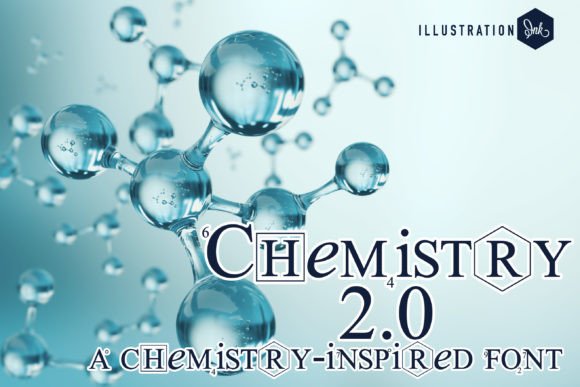
Fonts play a powerful role in design, especially when it comes to niche fields like science, education, or creative learning tools. Chemistry 2.0 is more than just a typeface—it’s a visual tool that brings the world of atoms, molecules, and formulas into your projects with flair. This fun serif display font integrates science and chemistry symbols directly into its characters, making it an ideal choice for anything from educational posters to back-to-school materials or even branding for STEM-related businesses.
What Makes Chemistry 2.0 Unique?
While many fonts focus on readability or aesthetics alone, Chemistry 2.0 bridges both by offering a unique blend of style and substance. Its serif design gives it a classic, academic feel, while the embedded scientific elements—like chemical element abbreviations, atomic numbers, and periodic table references—add a playful twist. Whether you're designing a presentation on molecular structures or creating a logo for a tutoring service, this font can make your content stand out in a way that feels both professional and approachable.
Developers and designers who understand the importance of typography in user experience will appreciate how Chemistry 2.0 maintains legibility despite its thematic character integration. It’s not just about looking cool; it's about enhancing the message through visual storytelling.
Who Can Benefit from Using Chemistry 2.0?
- Educators: Use it for visually engaging lesson plans, classroom posters, or infographics that simplify complex concepts.
- Students: Add creativity to science fair projects, thesis statements, or study guides.
- Marketing Professionals: Create eye-catching campaigns for labs, universities, or edtech platforms.
- Designers and Creators: Stand out in your portfolio with themed designs that resonate with science enthusiasts.
Common Mistakes When Choosing and Using Chemistry 2.0
Despite its appeal, Chemistry 2.0 isn’t always the best fit for every project. One common mistake is using it in situations where clarity must come first. For instance, body text in long documents may suffer if Chemistry 2.0 is used throughout. Its stylized characters and integrated symbols are better suited for headings, titles, and short bursts of text rather than extended paragraphs.
Overlooking Legibility in Different Sizes
Some users assume that because Chemistry 2.0 looks great at large sizes, it will work equally well in smaller ones. However, the intricate details of the font can become unreadable when scaled down. Always test how the font appears in various sizes before finalizing a design. A rule of thumb is to use it only for display purposes (e.g., headlines) unless the context allows for larger text where the details won’t be lost.
Misusing the Scientific Elements
The built-in chemistry symbols are a standout feature, but they can also lead to confusion if not used thoughtfully. For example, using “Na” as sodium in a heading might seem clever, but if the audience isn't familiar with the periodic table, it could cause misinterpretation. Consider whether your audience would benefit from the symbolism or if it might distract from the main message.
Ignoring Licensing and Usage Rights
Another frequent oversight is failing to review the font’s licensing agreement. While Chemistry 2.0 is often available for personal and commercial use, it's crucial to verify the terms based on where you obtained it. Some versions may restrict use in print media, web embedding, or redistribution. Always check the official source or the license file included with the download to ensure compliance and avoid legal issues later on.
How to Use Chemistry 2.0 Effectively
To get the most out of Chemistry 2.0, start by understanding its strengths and limitations. Here are some practical tips to help you avoid common pitfalls and enhance your design results:
Purpose Matters
Use Chemistry 2.0 as a display font for:
- Titles and headers in presentations or posters
- Logos for educational or scientific brands
- Infographics highlighting key chemical elements or processes
Test Across Platforms and Devices
Before committing to Chemistry 2.0 in a major project, preview it across different screens and devices. Ensure that the font renders clearly on mobile phones, tablets, and desktops alike. If you're working digitally, confirm that it works smoothly with your design software and doesn’t cause rendering issues or slow performance.
Balance Creativity and Clarity
Aim for harmony between the font’s visual appeal and the need for clear communication. In one case, a teacher used Chemistry 2.0 for a science-themed newsletter but found that readers struggled to scan the content quickly. By limiting the font to section headers and using a standard sans-serif for body copy, she improved readability without losing the thematic touch.
Check for Compatibility
If you’re embedding Chemistry 2.0 in a website or app, verify compatibility with browsers and operating systems. Some fonts don’t render consistently across all platforms, which can affect the overall look and professionalism of your work. Use fallback fonts as a precaution and consider converting text to outlines for printed materials to maintain consistency.
Better Approaches to Integrating Chemistry 2.0
Instead of using Chemistry 2.0 haphazardly, take a strategic approach. Think about how the font supports your message and enhances the user experience. Here’s how to do it right:
- Define Your Goal: Are you trying to engage students, promote a product, or add a creative edge to a report? Let your purpose guide your font choices.
- Pair Wisely: Combine Chemistry 2.0 with a neutral, high-contrast font to create a balanced visual hierarchy. Avoid mixing too many decorative fonts in the same layout.
- Use Sparingly: Apply the font only where it adds value—such as in logos, titles, or key points—rather than overusing it and overwhelming the reader.
- Consider Accessibility: High contrast and sufficient spacing are vital for accessibility. Don’t compromise these principles for style alone.
Real-Life Example: Science Fair Poster Design
A student designed a poster for a regional science fair using Chemistry 2.0 for the title and subheadings. At first glance, it was exciting and drew attention. But upon closer inspection, the detailed letters made the title hard to read from a distance. After adjusting the font size and simplifying the header design, the poster became more effective. The revised version maintained the theme while ensuring the main message was clear and easy to grasp.
Key Things to Check Before Committing
Before you finalize your use of Chemistry 2.0, ask yourself a few important questions:
- Does the font align with the tone and purpose of my project?
- Will it remain legible at the intended display size?
- Am I aware of the licensing requirements for my specific use case?
- Is there a risk of confusing the audience with the scientific elements?
Answering these honestly can save time, money, and effort. Remember, the goal is to enhance communication—not complicate it.
Where to Find and How to Evaluate Chemistry 2.0
When downloading or purchasing Chemistry 2.0, stick to reputable font marketplaces or the official site of the designer. These sources typically provide accurate licensing information and higher-quality files. Be wary of free versions that may lack proper documentation or support.
Evaluate the font by viewing sample texts in both uppercase and lowercase, checking symbol integration, and testing it in your actual design context. Look for reviews or testimonials from other users, which can highlight potential issues or confirm the font’s effectiveness in similar applications.
Why Choose Chemistry 2.0 Over Generic Fonts?
Generic fonts may be safe, but they often fail to leave a lasting impression. Chemistry 2.0 offers a unique identity that can elevate your work from ordinary to memorable. It’s particularly useful for:
- Branding initiatives for educational startups
- Science-themed marketing campaigns
- Printed materials like lab manuals, course syllabi, or promotional brochures
Its combination of academic elegance and playful creativity makes it versatile enough for both formal and informal contexts. Just apply it wisely and keep usability in mind.
Final Thoughts on Typography and Chemistry 2.0
Typography is a subtle yet powerful component of design. Choosing the right font can influence perception, engagement, and comprehension. Chemistry 2.0 is a prime example of how thematic fonts can enhance the visual impact of science-related content. However, it’s important to use it correctly and thoughtfully to avoid undermining your message.
By avoiding the common mistakes discussed here and following best practices, you’ll be able to harness the full potential of Chemistry 2.0. Whether you're a marketer, educator, or creative professional, this font can bring a fresh perspective to your projects—provided you know when and how to use it effectively.