Striper: A Hand-Drawn Display Font with Personality
Fonts are more than just letters on a page—they’re a form of visual storytelling. When it comes to display fonts, few capture the charm and authenticity of hand-drawn type like Striper. This unique font brings a personal, artistic touch to any design project, making it an appealing choice for those who want their work to stand out with a handmade feel.
What Makes Striper Unique?
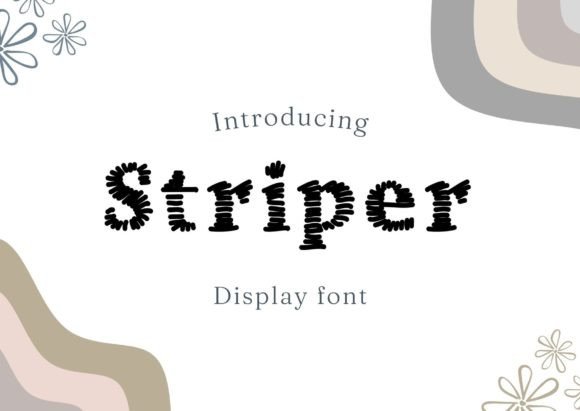
Striper is a hand-drawn display font that mimics the natural imperfections and expressive qualities of real-life lettering. Its irregular strokes, subtle variations in weight, and organic curves give it a warm, human quality that digital fonts often lack. Whether you're designing a poster, a social media graphic, or custom apparel, Striper adds a distinctive flair that’s both eye-catching and approachable.
Unlike many modern sans-serif or serif fonts, Striper isn’t meant for long paragraphs of body text. It shines when used for headlines, quotes, logos, or short bursts of impactful writing. The font’s playful yet professional aesthetic makes it versatile across different industries and creative styles.
Why Striper Matters to Different Audiences
While Striper may seem like just another font at first glance, its value lies in how various professionals and creators can leverage it for specific purposes. Let’s break down how different audiences might find it useful.
For Creators and Designers
Designers often seek tools that allow them to express creativity without sacrificing clarity. Striper offers a balance between artistry and legibility, especially for larger sizes. Because it’s a display font, it works best in contexts where visual impact is key, such as branding materials, editorial designs, or website headers.
Example: A graphic designer working on a lifestyle blog might use Striper for section titles and pull quotes to create a cozy, artisanal atmosphere that aligns with the brand's voice.
For Entrepreneurs and Small Business Owners
Entrepreneurs looking to build a strong brand identity can benefit from using Striper to differentiate their visual content. In a world saturated with sleek, uniform designs, a handwritten-style font like Striper can help convey authenticity and approachability—qualities that resonate well with niche audiences or local communities.
Example: A boutique clothing store could incorporate Striper into T-shirt designs or packaging to reflect a handmade, personalized product experience.
For Bloggers and Marketers
Blogger and marketers often focus on engagement through visuals. Striper can be used creatively in infographics, quote cards, or promotional banners to add character and draw attention. It also pairs well with minimalist layouts, helping important messages pop without overwhelming the reader.
Example: A travel blogger might use Striper for featured quotes on destination pages, giving their content a personal and adventurous vibe.
For Educators and Publishers
Educators and publishers interested in creating visually engaging learning materials or books for younger readers may find Striper suitable for chapter headings or decorative elements. However, they should pair it with a more readable body font to maintain accessibility and comprehension.
Example: An educational publisher designing a children’s book about nature could use Striper for the title of each chapter to make the layout more inviting and dynamic.
For Hobbyists and DIY Enthusiasts
Hobbyists and DIY lovers who enjoy crafting or personalizing items will appreciate Striper for its ease of customization. It’s ideal for adding a personal touch to homemade greeting cards, scrapbooks, or even custom wall art. Since it has a hand-made appearance, it feels less rigid and more fun to work with in personal projects.
Example: A hobbyist making custom mugs for friends and family could use Striper to print motivational phrases or names in a style that looks hand-painted rather than mass-produced.
How to Choose If Striper Fits Your Project
Before deciding whether to use Striper, consider your goals and the context of your project. Ask yourself the following questions:
- Do I need a font that conveys a handmade or artisanal look?
- Will this font be used primarily for large-scale display rather than body text?
- Am I targeting an audience that values uniqueness and personal expression?
If you answered “yes” to these questions, Striper might be a great fit. For beginners, experimenting with Striper can be a fun way to explore typography beyond standard options. More experienced users might appreciate how it complements other fonts or enhances visual hierarchy in complex layouts.
Practical Tips for Using Striper Effectively
Here are some tips to ensure you get the most out of Striper in your designs:
- Use it Sparingly: As a display font, Striper is best reserved for headlines, logos, or short texts. Overusing it can reduce readability and overwhelm the viewer.
- Pair with Complementary Fonts: Combine Striper with clean, neutral fonts (like Arial, Helvetica, or Lato) to create contrast and guide the reader’s eye effectively.
- Test at Different Sizes: Make sure to check how Striper looks at the size it will appear in your final design. Some hand-drawn fonts lose clarity when scaled down.
- Consider the Color and Background: To highlight its texture and character, use high-contrast color combinations or textured backgrounds.
- Match the Tone of Your Message: Striper works well for casual, friendly, or artistic content but may not suit formal or corporate environments.
Where Can You Use Striper?
Striper is incredibly versatile, especially when it comes to visual branding and creative presentation. Here are a few common use cases:
- Headlines and Titles: Perfect for grabbing attention on posters, websites, or presentations.
- Apparel and Merchandise: Ideal for T-shirts, hoodies, and branded items that aim to feel personal and crafted.
- Social Media Graphics: Adds personality to Instagram posts, Pinterest pins, or Facebook ads.
- Quotes and Captions: Great for showcasing inspirational or witty quotes with visual interest.
- Event Invitations and Posters: Gives a warm, creative edge to announcements or flyers.
Who Might Want to Avoid Striper?
Though Striper is a powerful tool for certain applications, it may not be the best choice in every scenario. Here are some situations where it might fall short:
- Long-form Reading: Its uneven stroke weights and spacing aren't optimized for reading extended text.
- High Accessibility Needs: People with dyslexia or visual impairments may find it harder to read due to its stylized characteristics.
- Formal or Corporate Contexts: In business reports, legal documents, or financial dashboards, a more structured font would typically be preferred.
If your project requires precision, consistency, or widespread readability, you might want to opt for a more conventional font. But if your goal is to evoke emotion, spark curiosity, or simply stand out, Striper is worth considering.
Striper vs. Other Hand-Drawn Fonts
There are countless hand-drawn fonts available today, but Striper distinguishes itself with a balanced blend of elegance and playfulness. Compared to overly casual scripts, Striper maintains a level of professionalism while still feeling personal. And unlike rigid geometric fonts, it carries warmth and spontaneity that invites emotional connection.
When choosing between Striper and similar fonts, consider what message you want to send. A bold, dramatic script might say “luxury,” whereas Striper could better represent “community,” “creativity,” or “authenticity.”
Striper in Real-World Projects
Let’s look at a few real-world scenarios where Striper can enhance a project:
Case Study 1: Artisan Coffee Shop Logo
An independent coffee shop owner wanted a logo that reflected the care and craftsmanship behind their brews. They chose Striper for the shop name because it conveyed a sense of individuality and small-batch quality. Paired with a rustic background and earthy colors, the logo felt both inviting and authentic.
Case Study 2: Personal Branding for a Freelancer
A freelance copywriter decided to rebrand her portfolio site with a more creative and human feel. She used Striper for her tagline and hero section, which immediately gave her site a more personable and artistic presence. Visitors commented on how it made her brand feel more relatable and trustworthy.
Case Study 3: Custom Book Covers for Indie Authors
Two indie authors collaborated with a designer to create unique covers for their poetry collections. Striper was selected for the title text to reflect the intimate, heartfelt nature of the work. The result was a set of covers that stood out on Amazon and resonated with readers seeking emotionally rich content.
Is Striper Right for You?
Ultimately, whether Striper suits your needs depends on your specific goals and the tone you want to establish. If you're aiming to bring warmth, creativity, or a personal touch to your designs, it’s a strong candidate. For those prioritizing speed and simplicity in bulk text formatting, however, it might not be the most practical option.
Beginners can experiment with Striper to understand how display fonts function within a design system. Professionals might integrate it strategically into multi-font hierarchies. Educators can use it to teach the importance of typography in visual communication. And consumers shopping for stylish, original merchandise may recognize its appeal instantly.
Take some time to review samples of Striper and see how it aligns with your vision. Consider pairing it with other fonts, testing it on mockups, and getting feedback from your target audience. Typography is subjective, and the best choice is always the one that supports your message and resonates with your viewers.
Whether you're a seasoned designer or just starting out, Striper can be a valuable addition to your typographic toolkit—offering a fresh, expressive way to communicate your ideas.