How Rumba Elevates Design with Its Bold and Versatile Display Typeface
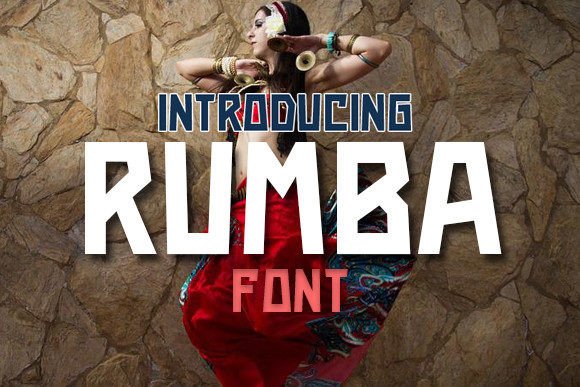
Rumba is a typeface that stands out for its strong visual presence and adaptability. Designed with modern aesthetics in mind, it blends the charm of geometric forms with the warmth of rounded edges to create a display font that feels both contemporary and approachable. Whether you're crafting a bold headline or designing a vibrant banner, Rumba offers a unique balance of style and clarity that makes it a favorite among designers across various fields.
The Unique Characteristics of Rumba
Rumba is not just another squarish typeface; it's a carefully crafted design that brings versatility to the table. The font features a clean structure with subtle curves that soften its angular base, making it visually engaging without being harsh. This combination gives Rumba an energetic yet professional look, ideal for both digital and print applications.
One of the standout traits of Rumba is its high legibility at large sizes. Because it’s a display typeface, it shines brightest when used in contexts where impact matters most. The letterforms are designed to be easily recognizable from a distance, ensuring your message gets noticed even in fast-paced environments like street banners or online ads.
Geometric Inspiration Meets Creative Freedom
Inspired by the geometric principles found in sans-serif fonts, Rumba takes a fresh approach by incorporating playful elements into its form. The uniform stroke width and squared-off corners give it a structured feel, while the slight rounding on certain letters adds a touch of friendliness. This duality allows creators to use Rumba in a wide range of styles—from minimalist branding to high-energy event posters.
What makes Rumba particularly appealing is how it handles weight variations. The font family includes multiple weights and styles, enabling users to build visual hierarchies with ease. A lighter version can complement more intricate designs, while the heavier variants pack a punch in headlines and titles.
Why Choose Rumba for Your Projects
When selecting a font for your next design project, it's important to consider how well it aligns with your brand's voice and the context in which it will be used. Rumba excels in this area due to its ability to convey confidence and creativity simultaneously. It’s especially effective for projects that require attention-grabbing visuals but still need to maintain readability.
For instance, using Rumba on t-shirts can create a striking contrast between text and imagery. Its bold character set ensures that slogans and phrases remain legible even when printed in smaller sizes. The font's versatility also means it works well with both monochrome and colorful palettes, giving designers room to experiment with different looks.
Applications Across Industries
Rumba’s broad appeal extends beyond graphic design. Educators might find it useful for creating visually stimulating classroom materials, while researchers could leverage it in presentations to highlight key findings. Business owners often turn to Rumba for storefront signage or promotional banners because it communicates professionalism with a modern flair.
Consumers who appreciate stylish typography may also enjoy using Rumba in personal projects such as invitations, social media graphics, or DIY merchandise. Its friendly yet authoritative tone makes it suitable for everything from birthday announcements to product launches.
Real-World Use Cases of Rumba
Consider a local café looking to redesign its logo and menu board. By integrating Rumba into their branding, they can achieve a clean, modern look that resonates with younger audiences while remaining accessible to all age groups. The font’s neutral design avoids overcomplication, allowing the brand’s personality to shine through other visual elements.
In the world of fashion, Rumba has been used effectively in clothing line names and taglines. Its strong visual identity helps reinforce the brand's message, whether it’s about innovation, comfort, or luxury. T-shirt designers, in particular, have praised Rumba for its ability to stand out on fabric without losing clarity.
Another common use case involves event marketing. Concert posters, festival banners, and exhibition flyers often rely on display typefaces to capture attention. Rumba’s dynamic appearance fits perfectly here, helping to establish a sense of energy and excitement around any event.
Designing with Rumba: Tips and Considerations
To make the most of Rumba in your designs, it's essential to understand how it behaves in different settings. When used as a headline, Rumba should be given enough white space to breathe, preventing it from appearing cluttered. Pairing it with a secondary font that complements its style—such as a sleek sans-serif or a soft script—can enhance the overall composition.
Spacing and kerning are also crucial when working with Rumba. Due to its geometric nature, tight spacing can cause letters to blend together. Adjusting the spacing slightly can improve readability and ensure the font maintains its intended impact.
Color choices should reflect the purpose of the design. For example, using bright colors with Rumba in a summer campaign can evoke a sense of fun and vibrancy, whereas muted tones might work better for corporate or academic settings.
Comparing Rumba with Other Display Fonts
While there are many display fonts available today, Rumba distinguishes itself through its balanced approach. Unlike some fonts that lean too heavily on either minimalism or maximalism, Rumba strikes a chord by offering a middle ground that supports both creative expression and functional design.
Fonts like Bebas Neue or Montserrat are popular choices for similar applications, but Rumba provides something extra—its subtly curved characters add depth and interest without compromising on professionalism. This makes it a preferred option for designers who want to avoid generic-looking fonts while maintaining a polished result.
Compared to highly stylized fonts, Rumba remains versatile enough to be applied across various platforms. It works equally well in print, web design, and motion graphics, making it a valuable addition to any designer's toolkit.
Workflow Integration and Practical Implementation
Integrating Rumba into your workflow is straightforward. As a standard OpenType font, it supports advanced typographic features like ligatures and alternate glyphs, which can add visual interest to longer texts. Designers using tools like Adobe Illustrator, Photoshop, or Canva can benefit from these features to refine their compositions.
When implementing Rumba on websites or mobile apps, it's best to optimize the font size and weight based on screen resolution and viewing distance. Web-safe fallbacks should be considered for browsers that do not support custom fonts, ensuring consistent user experience across devices.
For those interested in open-source or royalty-free alternatives, it’s worth noting that Rumba is often available under commercial licenses that allow for flexible usage. Always verify the licensing terms before deploying it in public-facing projects.
Trends in Display Typography and Rumba’s Place
Current trends in display typography emphasize boldness, uniqueness, and adaptability—qualities that Rumba embodies. With the rise of flat design and minimalistic layouts, having a font that can serve as a focal point without overwhelming the design is invaluable.
Rumba aligns with the growing preference for fonts that can transition seamlessly between digital and physical spaces. In an era where content is consumed across multiple platforms, consistency in branding is key. Rumba ensures that your message stays powerful and clear, regardless of the medium.
Moreover, as brands seek to differentiate themselves in crowded markets, the right font choice can make all the difference. Rumba’s distinct character set and modern aesthetic help designers craft identities that are memorable and impactful.
Observations from the Field
Many professionals have noted how Rumba simplifies complex design decisions. Its predictable behavior across different scales and backgrounds reduces the guesswork involved in layout creation. Users often report that once they start working with Rumba, it becomes a go-to font for their most challenging projects.
From small business logos to large-scale advertising campaigns, Rumba has proven itself time and again. One notable example is a tech startup that rebranded using Rumba as the core of their new identity. The font helped them communicate innovation and reliability, two qualities that are central to their mission.
Hobbyists and independent creators have also embraced Rumba for its expressive potential. Whether it’s a handmade greeting card or a custom vinyl record sleeve, the font’s flexibility allows for endless creative possibilities.
Conclusion
Rumba is more than just a typeface—it’s a design tool that empowers creators to produce compelling visuals with ease. Its combination of geometric precision and subtle character variation makes it a standout choice for a wide array of applications. From headlines and t-shirts to educational materials and digital interfaces, Rumba adapts effortlessly to the needs of each project.
As design continues to evolve, so does the importance of choosing fonts that are both aesthetically pleasing and functionally sound. Rumba meets this demand head-on, offering a reliable solution for those who want to elevate their work without sacrificing usability. Its popularity among diverse audiences is a testament to its thoughtful design and practical benefits.