Funny Boba: The Playful Font That’s Taking Creative Design by Storm
In the ever-evolving world of design, typography plays a crucial role in capturing attention and conveying personality. One font that has recently gained popularity for its whimsical charm is Funny Boba. Known for its childish and playful style, Funny Boba brings a sense of fun and informality to any project it graces. Whether you're designing product packaging, branding materials, or digital content, this unique display font offers a fresh way to stand out in a crowded market.
What Is Funny Boba?
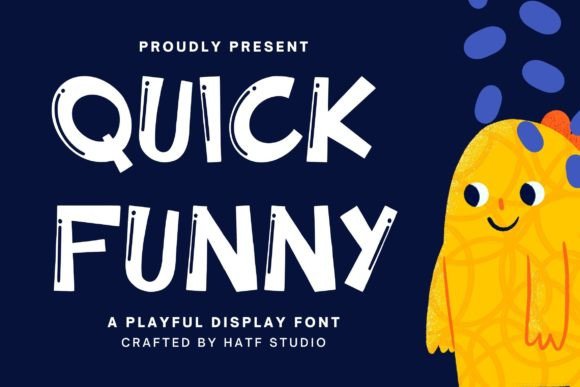
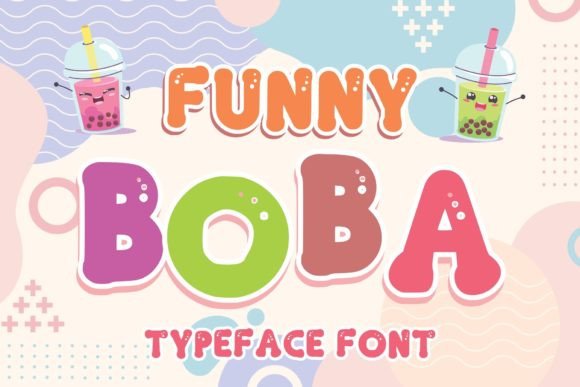
Funny Boba is a distinctive typeface that blends casual, hand-drawn aesthetics with bold visual appeal. It's not your typical sans-serif or serif font — instead, it leans into the expressive side of typography, making it ideal for creative applications where personality matters more than readability at a distance. The font features exaggerated characters, rounded edges, and a signature style that evokes joy and spontaneity.
This kind of font is typically used as a display typeface, meaning it shines best in headlines, logos, and short bursts of text rather than long paragraphs. Its informal nature makes it perfect for brands that want to communicate playfulness, creativity, or youthfulness without coming off as unprofessional.
The Rise of Casual Typography in Modern Design
Typography trends have shifted significantly over the past decade. Gone are the days when formal, rigid fonts were the only acceptable choices for professional settings. Today, the design landscape embraces casual and expressive typography as a means to humanize brands and connect with audiences on a more personal level.
Fonts like Funny Boba reflect this shift. They cater to a growing demand for authenticity and approachability, especially in industries targeting younger demographics such as fashion, food, entertainment, and lifestyle. As consumers seek more engaging and relatable experiences, brands are using playful fonts to add character and warmth to their visual identities.
Why Casual Fonts Like Funny Boba Are Gaining Traction
- Emotional resonance: In an age where emotional branding is key, fonts that evoke feelings of joy and nostalgia can create stronger connections with audiences.
- Versatility across platforms: With the rise of social media and e-commerce, designers need fonts that work well both digitally and in print. Funny Boba adapts smoothly to various mediums, from Instagram posts to physical merchandise.
- Standing out in a saturated market: In niches like streetwear, snacks, and pop culture-inspired products, differentiation is essential. A quirky font like Funny Boba helps brands carve out a unique identity.
How Funny Boba Fits Into Industry Trends
Design professionals are constantly looking for tools that allow them to innovate and meet client expectations. The use of playful fonts like Funny Boba aligns with several current industry movements:
1. Embracing Digital-First Branding
With so much brand exposure happening online, especially through mobile devices, fonts must be visually striking at smaller sizes. Funny Boba's high contrast and bold shapes make it highly legible even on compact screens, ensuring it remains effective in digital-first strategies.
2. Personalization and Niche Markets
Consumers today prefer brands that feel personal and tailored to their tastes. Funny Boba allows designers to craft unique typographic expressions that resonate with specific communities. For example, a startup selling retro-style boba tea might use this font to highlight its nostalgic yet modern vibe.
3. The Influence of Pop Culture and Social Media
Social media aesthetics often borrow from pop culture and youth-driven subcultures. Funny Boba fits right in with this trend, offering a look that feels "influencer-approved" while still being accessible to mainstream audiences. It's frequently spotted in designs for TikTok trends, YouTube thumbnails, and influencer collabs.
Practical Applications of Funny Boba
While it may seem like a novelty, Funny Boba is a versatile tool for designers who understand how to use it strategically. Here are some real-world examples of where this font can shine:
Product Packaging
For businesses in the beverage, snack, or beauty industries, Funny Boba can inject a sense of fun into packaging. Consider a limited-edition candy line aimed at Gen Z — using this font on labels and tags could enhance the overall experience and make the product more memorable.
T-Shirts and Merchandise
Apparel brands love fonts that scream individuality. Funny Boba can be used for slogan-based t-shirts, hoodies, or accessories. Its childlike aesthetic appeals to fans of streetwear and vintage graphics alike, making it a favorite among indie designers and small businesses.
Logos and Branding Materials
A logo is one of the most important visual elements of a brand. While not suitable for every business, Funny Boba works wonders for startups, cafes, and boutique shops that want to convey a laid-back, joyful atmosphere. Pairing it with minimalist design elements can balance its exuberance and maintain professionalism.
Posters and Promotional Graphics
Event posters, album covers, and promotional banners benefit from dynamic fonts. Funny Boba adds a layer of excitement and eye-catching detail that helps attract attention in competitive spaces like music festivals or local art shows.
Labels and Stickers
From custom stickers to DIY label kits, Funny Boba is a go-to choice for creators who want to infuse personality into everyday items. Its clean curves and bold presence ensure it looks great up close, whether printed on paper or vinyl.
Changing Needs and Expectations in the Design World
Modern audiences expect more than just polished visuals — they want experiences that feel authentic and alive. This change has led to a surge in demand for fonts that break the mold of traditional design norms. Funny Boba meets this need by providing a typeface that's both expressive and adaptable.
Moreover, the rise of remote collaboration and digital communication has made typography a central element in virtual presentations, email campaigns, and website interfaces. Designers now have to choose fonts that not only look good but also function effectively across multiple platforms and screen resolutions. Funny Boba’s adaptability ensures it doesn’t fall flat in these contexts.
Font Preferences Among Younger Audiences
Younger generations, particularly Millennials and Gen Z, gravitate toward brands that reflect their values and lifestyle. These groups prioritize authenticity, creativity, and community — all of which can be subtly communicated through thoughtful typography. By incorporating a font like Funny Boba, brands can signal alignment with these cultural shifts.
Observations on Workflow and Design Process
Working with display fonts like Funny Boba requires a nuanced understanding of hierarchy and contrast. While it's excellent for headlines, it shouldn't be used for body text. Designers must consider how it pairs with other fonts and colors to avoid overwhelming the viewer.
Some practical tips for integrating Funny Boba into your workflow include:
- Use it sparingly: Let the font take center stage in key areas, and complement it with simpler, more readable fonts for supporting text.
- Experiment with spacing: Because of its playful nature, adjusting letter spacing and line height can help enhance its visual impact.
- Pair with contrasting elements: Bold colors, geometric shapes, or clean backgrounds can make Funny Boba pop without clashing.
- Consider accessibility: Ensure that the font doesn’t hinder readability for users with visual impairments, especially in critical information areas.
Future Relevance and Long-Term Potential
As design continues to evolve alongside technology and consumer behavior, the importance of expressive typography will only grow. Fonts like Funny Boba represent a new era where creativity and functionality coexist. Their ability to evoke emotion and tell a story makes them valuable assets in a designer's toolkit.
We’re also seeing a rise in custom and niche fonts tailored to specific brand voices. Funny Boba may serve as inspiration for future font families that blend humor, simplicity, and visual flair in innovative ways. Additionally, with AI-powered design tools becoming more prevalent, we can expect to see increased experimentation with unconventional fonts across automated workflows.
Conclusion
Funny Boba isn’t just another font — it’s a reflection of contemporary design sensibilities and evolving brand needs. Its casual, playful style makes it a standout choice for entrepreneurs, marketers, and creatives looking to infuse personality into their work. From product packaging to digital promotions, this font opens up exciting possibilities for those who dare to think outside the box.
As we move forward, the ability to select the right font for the right message will become even more vital. Funny Boba reminds us that sometimes, the simplest and most whimsical choices can leave the biggest impression. So next time you're brainstorming your design project, don’t overlook the power of a playful typeface to bring your vision to life.