Amefres: A Sweet and Elegant Display Font for Modern Design
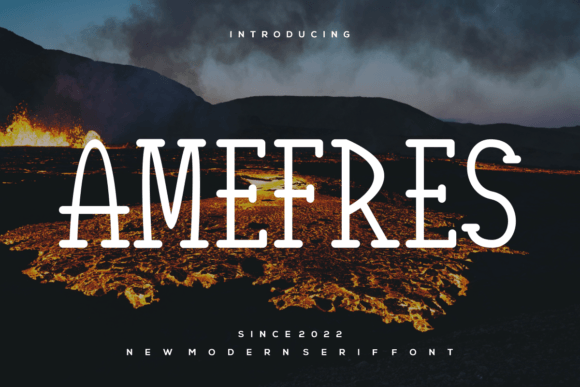
Amefres is a display font that blends the warmth of calligraphy with a modern, clean aesthetic. Designed to stand out in visual compositions, it brings a touch of sophistication and charm to branding, editorial work, invitations, and more. Its unique character set allows designers to maintain elegance without sacrificing readability or contemporary appeal, making it a versatile option for various creative projects.
The Distinctive Characteristics of Amefres
One of the most notable aspects of Amefres is its ability to capture the fluidity of hand-lettered calligraphy while retaining a structured, typographic foundation. The font features soft serifs and gentle strokes that evoke a sense of artistry and grace. These qualities make it ideal for designs where personality and visual impact are key, such as logos, headlines, and promotional materials.
Amefres also offers excellent spacing and kerning, which ensures legibility even when used in large text sizes. This balance between style and functionality sets it apart from many other decorative fonts that can become difficult to read at larger scales. The combination of high contrast between thick and thin strokes adds depth and dimension to each letterform, enhancing the overall visual experience.
Comparisons with Similar Display Fonts
When evaluating Amefres alongside other display fonts, it's important to consider how it fits within different design contexts. For instance, compared to bold sans-serif display fonts like Montserrat or Bebas Neue, Amefres provides a more refined and expressive alternative. While those fonts excel in minimalistic or industrial themes, Amefres shines in settings where a softer, more personal feel is desired.
In terms of script or handwriting-style fonts, Amefres differs by offering a semi-formal structure. It avoids the casual, often inconsistent look of true scripts, instead providing a stylized version that’s easier to integrate into professional layouts. This makes it a better fit for branding or packaging than purely handwritten alternatives, which may not hold up under tight composition rules.
Another point of comparison lies with serif display fonts such as Playfair Display or Cinzel. These fonts also bring a classic, elegant vibe to the table but tend to have a heavier, more traditional presence. Amefres, on the other hand, feels lighter and more approachable, making it suitable for both vintage-inspired and modern minimalist aesthetics.
Strengths and Tradeoffs of Using Amefres
Amefres has several strengths that make it an appealing choice for designers working on specific types of projects. Its sweet and elegant appearance makes it particularly effective for feminine or luxury brands, wedding invitations, fashion labels, and lifestyle content. The font's adaptability across digital and print media also adds to its practicality, as it maintains clarity and beauty regardless of the medium.
- Elegance with a Contemporary Edge: Combines calligraphic elements with modern simplicity.
- High Readability at Larger Sizes: Makes it ideal for headlines, banners, and signage.
- Versatile Use Cases: Suitable for both formal and informal design scenarios.
- Consistent Character Set: Offers reliable performance across different platforms and applications.
However, Amefres does come with certain tradeoffs. Its ornate nature means it isn’t well-suited for body text or long paragraphs, where simpler typefaces perform better. Additionally, because it leans into a decorative style, overuse can lead to visual clutter in designs that require a more subdued or neutral tone.
Designers should also be aware that Amefres may not pair as seamlessly with all secondary fonts. Its calligraphic flair works best with complementary styles—such as geometric sans-serifs or clean monospaces—that offer contrast without competing for attention. Choosing the right supporting font can enhance the overall design harmony and prevent the layout from feeling too busy.
Best-Fit Situations for Amefres
Amefres is particularly well-suited for projects where visual storytelling plays a central role. Here are some common use cases where this font excels:
- Brand Identity: Luxury brands, boutique shops, and lifestyle companies benefit from Amefres' refined yet accessible style.
- Editorial Design: Used effectively for magazine covers, book titles, and feature headers that demand a strong visual presence.
- Event Invitations: Wedding invitations, anniversary cards, and special event announcements gain a touch of class with Amefres.
- Packaging and Labels: Ideal for product names, especially in the beauty, food, and fashion industries where typography contributes significantly to brand perception.
- Digital Media: Performs well in social media posts, website headers, and video overlays where elegance meets modernity.
In these scenarios, Amefres helps create a memorable first impression, reinforcing the message through its visual tone. However, it's essential to evaluate whether the project needs a font with such a distinct personality or if a more neutral typeface would serve the purpose better.
LIMITATIONS AND DESIGN CONSIDERATIONS
Despite its strengths, Amefres has limitations that should be taken into account before finalizing it for a project. One major consideration is its lack of support for extended language sets. If your design involves multilingual content, you may need to supplement it with another font or limit its application to English-only texts.
Additionally, due to its decorative nature, Amefres is not recommended for small text sizes or low-resolution displays. In these cases, using it could compromise legibility and user experience. Always test how it looks in context—especially when designing for mobile screens or print materials with limited space.
Another factor to consider is the font's emotional tone. While Amefres conveys warmth and sophistication, it may not align with every brand's voice. For example, tech startups aiming for a sleek, futuristic look might find it less appropriate than a minimalist sans-serif. Likewise, serious or academic publications may prefer a more conventional serif typeface for their body copy and headings.
How to Decide If Amefres Is Right for Your Project
Deciding whether to use Amefres ultimately depends on your project's goals and the audience you're trying to reach. Ask yourself the following questions to determine its suitability:
- Does the project require a font with a sweet, elegant aesthetic?
- Will the font be used primarily for short text elements like headlines or logos?
- Is the target audience likely to respond positively to a calligraphic style?
- Can the rest of the design accommodate a more expressive typeface without overwhelming the layout?
If you answered "yes" to most of these, Amefres could be a great fit. On the other hand, if you're looking for something more neutral, functional, or suited for dense text, you might explore other options like Lato, Open Sans, or Roboto Slab.
Real-World Examples of Amefres in Use
Amefres has been used in a variety of real-world applications. One example is a high-end skincare brand that incorporated the font into their logo and packaging. The result was a harmonious blend of natural ingredients and luxurious presentation, enhanced by the font’s warm and inviting curves.
Another case involved a boutique hotel redesigning its website and print collateral. By using Amefres for the header sections and a clean sans-serif for body text, the designers achieved a balance between creativity and usability. The font helped establish a welcoming and upscale atmosphere that resonated with potential guests.
For a lifestyle blog focused on travel and wellness, Amefres added a personal touch to article titles and section headers. It complemented the site’s photography-driven content and created a cohesive visual identity that felt both stylish and authentic.
Alternatives to Consider When Evaluating Amefres
While Amefres is a standout choice in many situations, there are other display fonts that may better suit specific needs. Here are a few categories and examples worth exploring:
- Script Fonts: For a more organic feel, consider fonts like Great Vibes or Allura. They’re perfect for handwritten notes and romantic themes.
- Serif Display Fonts: Options such as Merriweather or Raleway provide a more traditional elegance and are highly readable at large sizes.
- Modern Bold Fonts: Fonts like Poppins or Quicksand are excellent for minimalist or high-energy designs that prioritize clarity and strength.
- Hand-drawn Fonts: If you want to add a personal, artistic flair, explore fonts like Dancing Script or Pacifico. Keep in mind they may require careful editing for consistency.
These alternatives highlight the importance of matching the font to the intended message and audience. Amefres is a powerful tool, but understanding when to use it—and when to choose something else—is key to achieving a successful design outcome.
Final Thoughts on Selecting Amefres
Amefres is a font that bridges the gap between tradition and modernity. Its calligraphic roots give it a timeless quality, while its fresh design ensures it remains relevant in today’s visual landscape. Whether you're working on a branding campaign, editorial layout, or event design, Amefres can elevate your project with its graceful and distinctive character.
Still, no font is a one-size-fits-all solution. Carefully assess your project requirements, audience expectations, and design constraints before making a decision. Pair Amefres thoughtfully with supporting visuals and secondary fonts, and always test it in real-world conditions to ensure it performs as expected.
By taking a balanced and informed approach to font selection, you can harness the full potential of Amefres—or any other font—for impactful, meaningful communication.